May 18th, 2024
After loitering at Laramie and Rock Springs, Wyoming, I pulled into Buckboard Crossing Campground on the Flaming Gorge Reservoir in mid-May. My reservation was for a week starting on Sunday. However, I arrived a day early and before searching for a dispersed campsite in the area, decided to take a chance that my site was open on Saturday. I left the main highway and approached the campground. To my surprise, it was empty. I would be the only camper in all of 66 sites. Later I mentioned this when the campground host came by to say hello. He told me that cold, rainy, and windy weather had discouraged everyone else. The left early. I checked the weather and saw that I would be enjoying sunny 60 degree days for the week.
The campground is located on a sage covered bluff overlooking the reservoir. Flaming Gorge is an impoundment created on the Green River, just north of the Utah border. I could see the Uintah mountains to the south, still covered in snow. They are an east-west running range in northern Utah that I had backpacked back in the 1990s. Buckboard got its name from a ferry crossing of the Green River before it had been flooded. There was even a hotel at the crossing, long since covered by the waters of the reservoir.
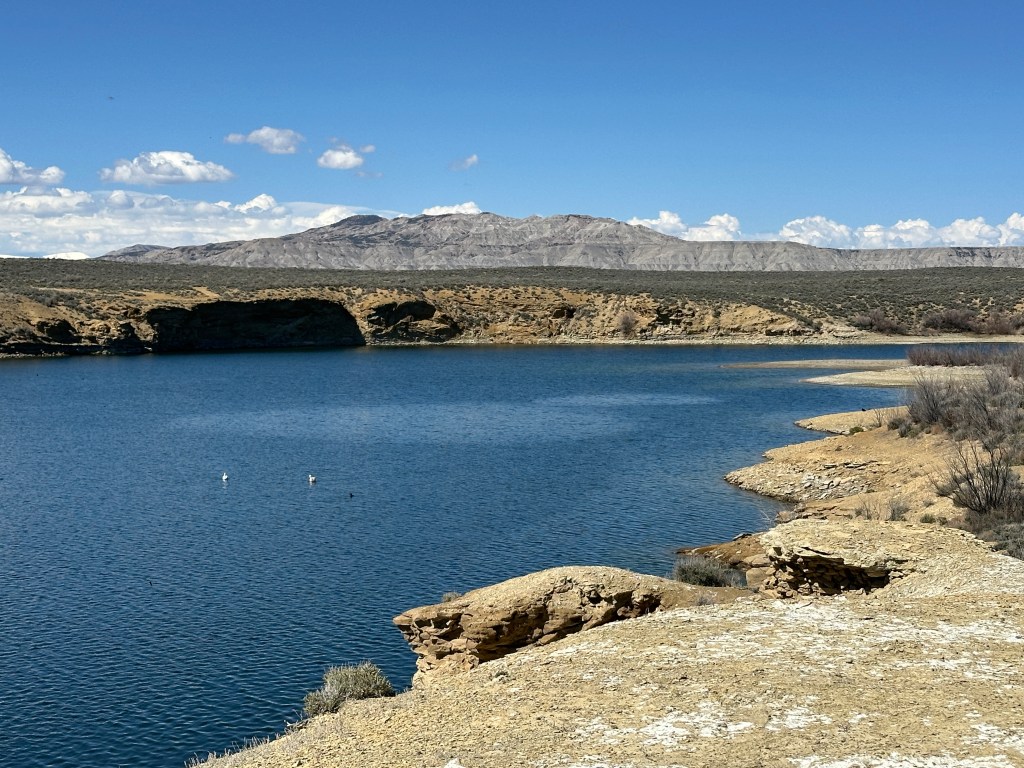
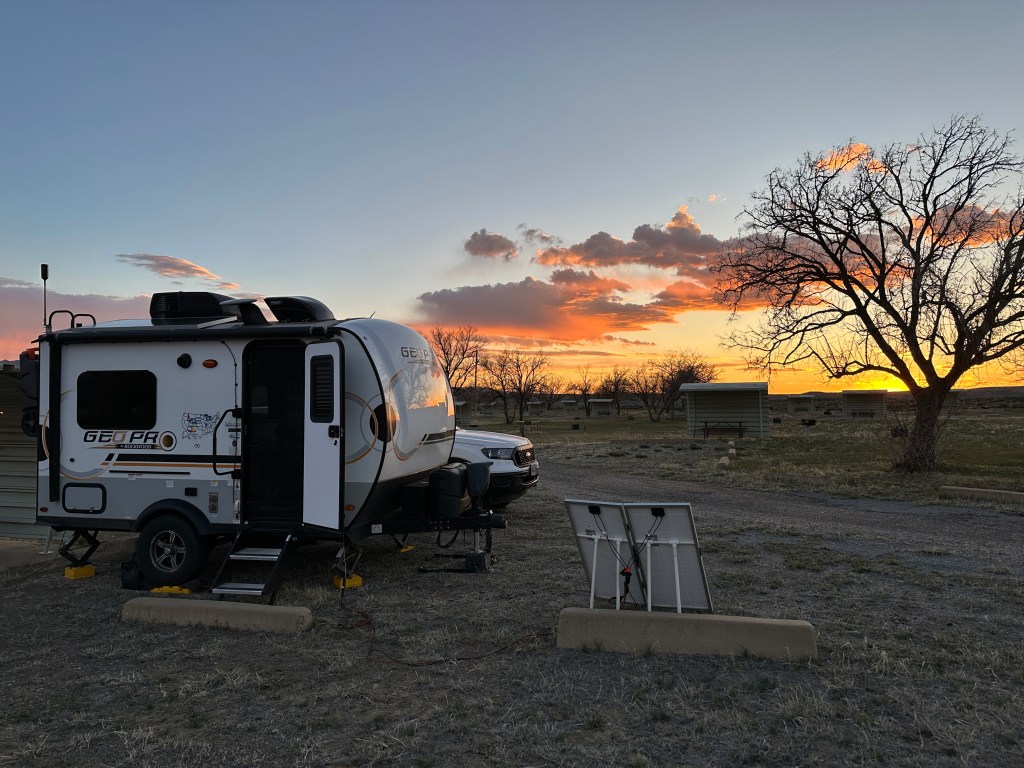
As there were few other campers, mostly fishermen, during the week, I had a very quiet stay. There was a nearby nest of Ospreys and a small band of Pronghorn that could be seen each morning and afternoon.
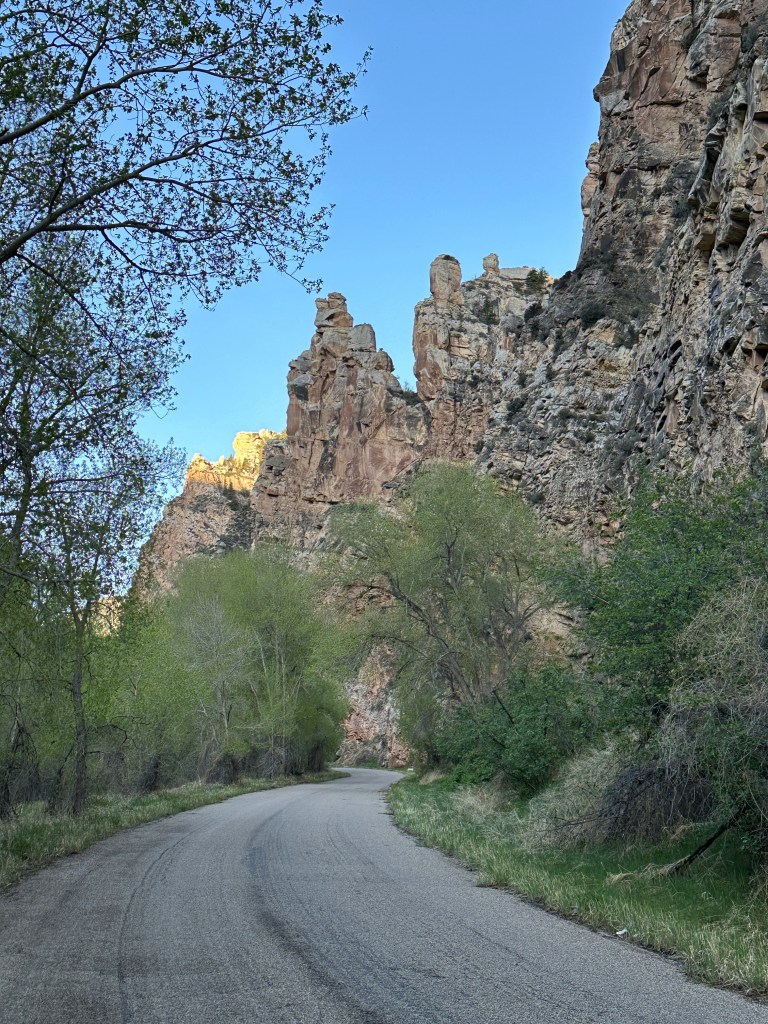
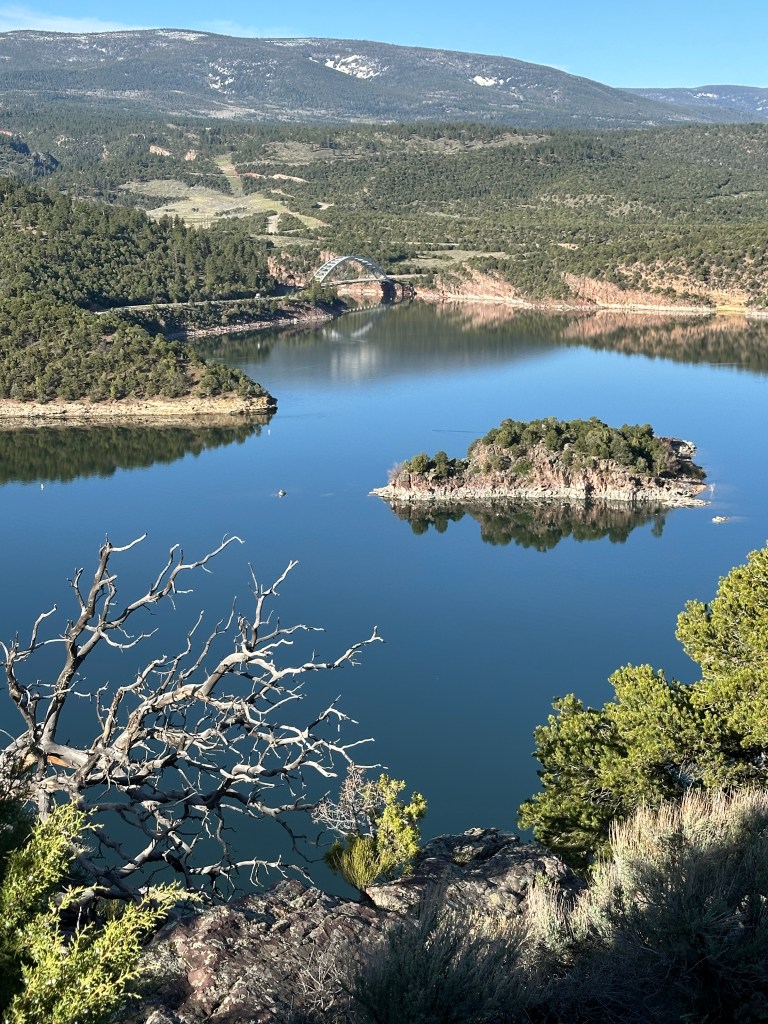
On my third day, I drove south into Utah to the Sheep Creek Geological Loop at the east end of the mountains. The rock formations were very picturesque and the road wound upwards, taking me above the snow line. Later, I crossed the Flaming Gorge dam and followed the scenic highway 191 north to Rock Springs, the town of Green River, and back to the campground, completing the loop around Flaming Gorge.
As mentioned, this area is primarily popular with fishermen. It is not really an exciting stop for wanderers, but was a quiet and relaxing place to stay while waiting for the snows to melt in the high mountains to the north and west. This usually does not happen until near Memorial Day and into the start of June.
 Starting All Over