June 17th, 2023
On Sunday June 11th, I moved my home to Indian Creek Campground in Yellowstone National Park. This was my 12th visit to Yellowstone, but first time camping. The campground was clean and quiet. Most campers came for a day or two and then moved on. I stayed for a week.
Thus, I present Tip #1. Yellowstone is not a “drive through” park. Many people pass through in a day or two of a western whirlwind vacation. I have always felt that this is a mistake. Yellowstone is huge and there are many areas of interest that cannot possibly be experienced in less than a week. Just to drive from one side to the other takes hours, even when the most direct route is taken. Stay a while and experience the park.
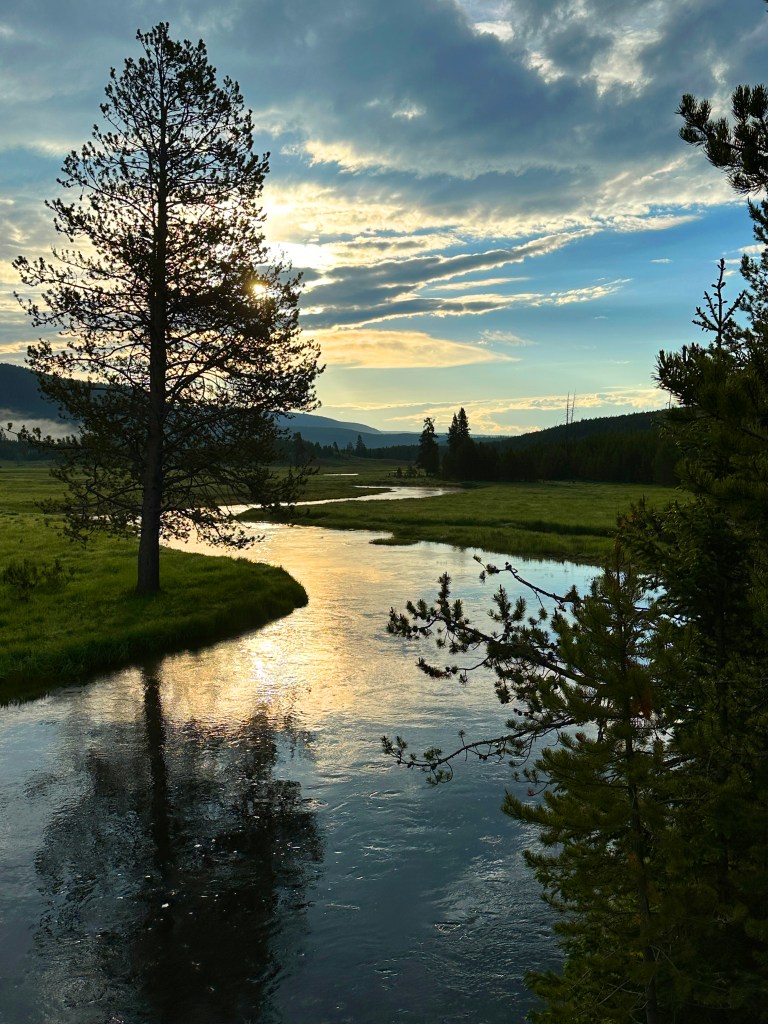
Now Tip #2: Get out of your vehicle. Hike, walk, stroll at the many turnouts and overlooks. You will experience much more of what this park is about, it’s water falls, meadows, rivers, thermal areas, and wildlife.
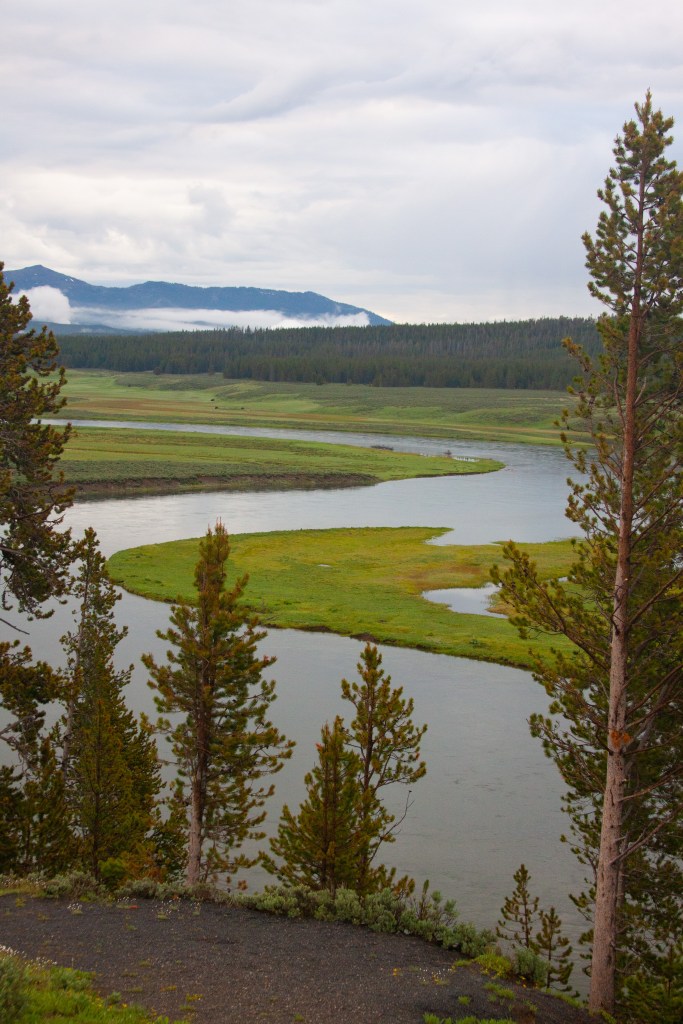
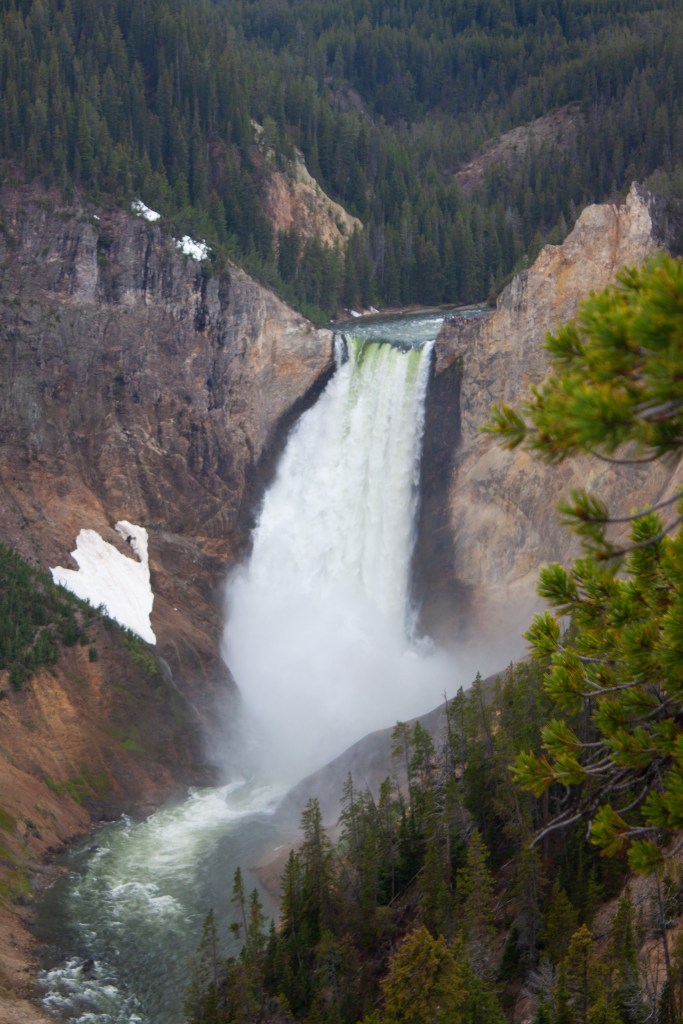
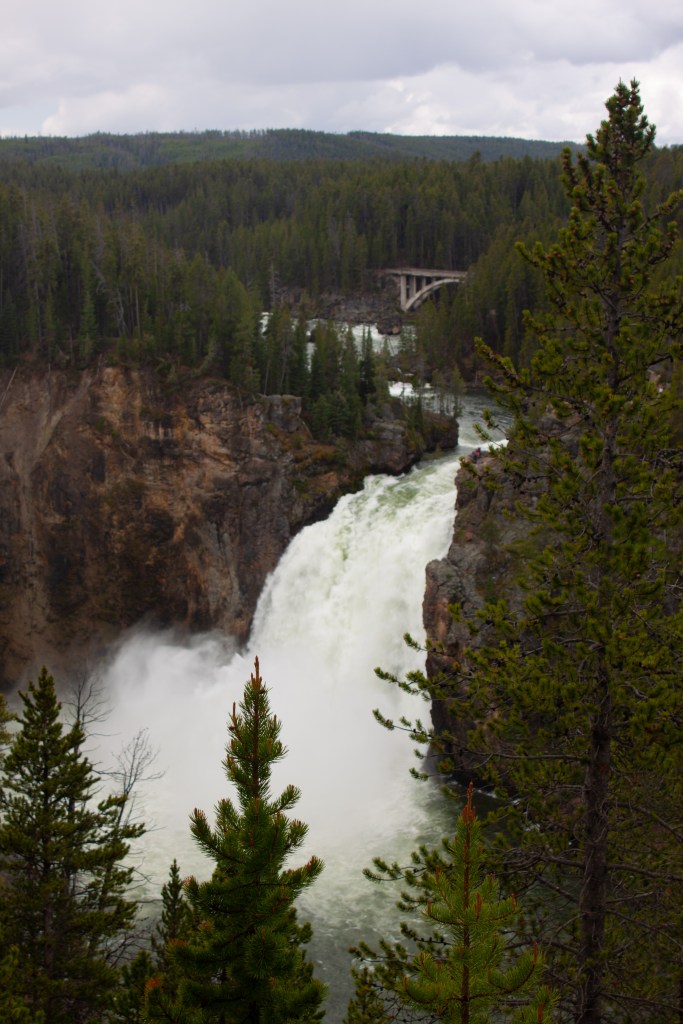
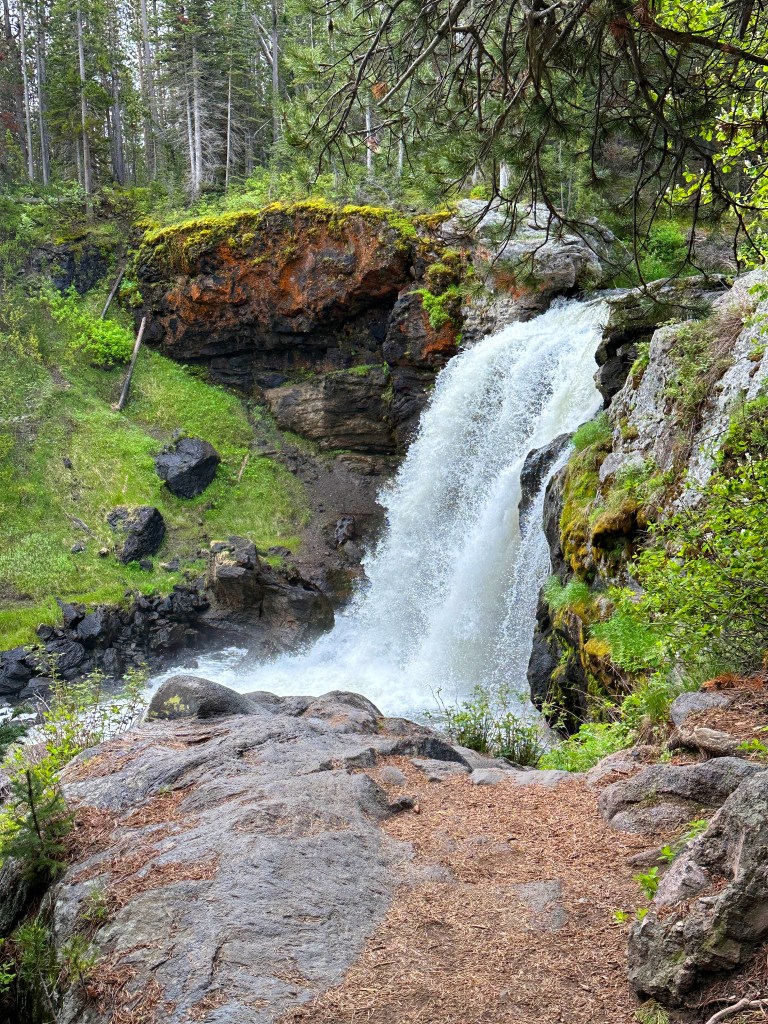
That leads to the biggest tip of all, #3: Get out of bed. No matter if you flew to a nearby city and rented a car, or drove across the country, you will have spent a lot of money getting here. Don’t waste that money by “sleeping in”. Be up before sunrise and drive to your destination or attraction as the sun comes up. You will be rewarded with wildlife sightings that most people never experience. You will see the early sun shining on snow covered peaks and lighting up lush green meadows.
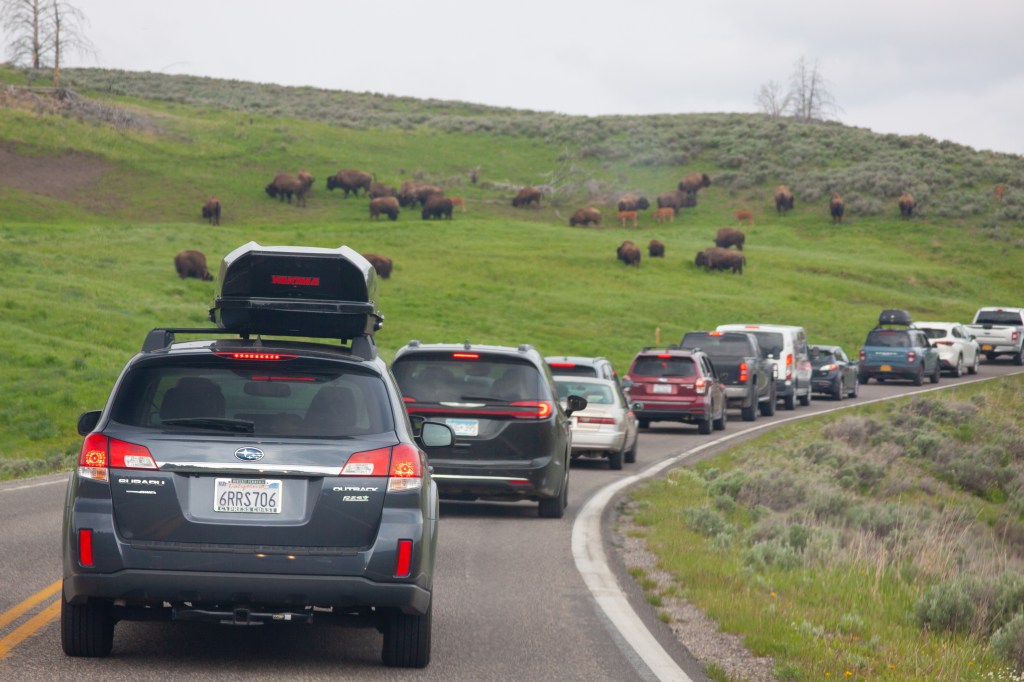
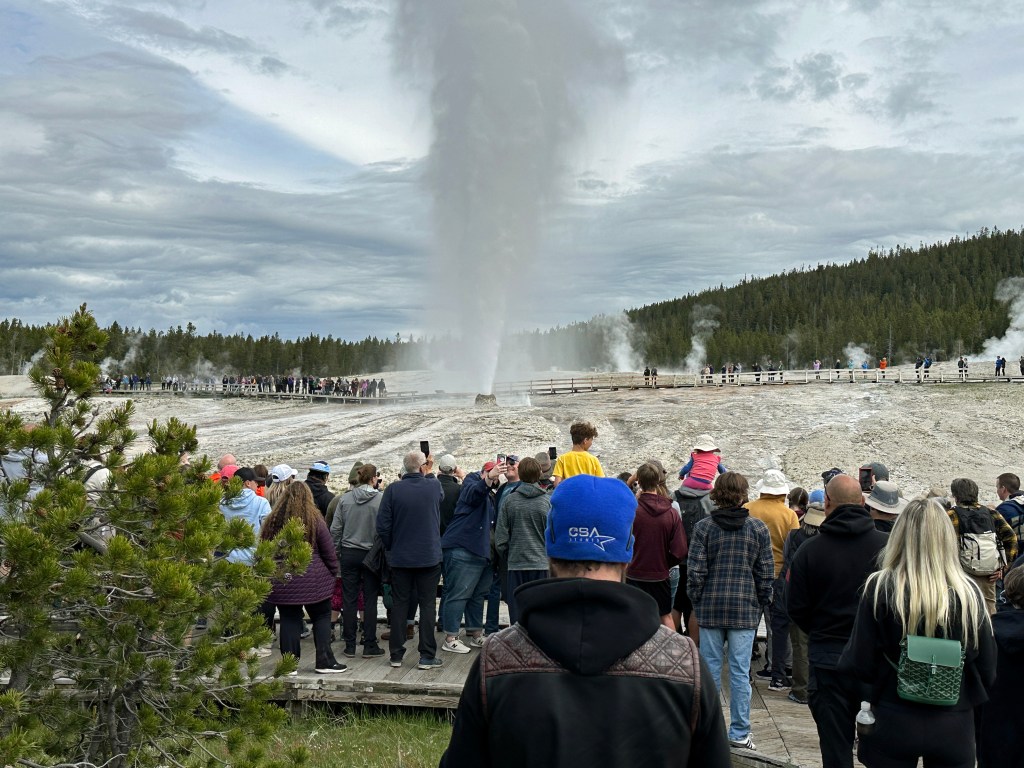
Also, you will get a chance to park your vehicle and observe. Even in the early season of June, most parking lots will fill by 10:30 a.m.. You will be forced to drive on. You will miss walking the geyser basins, the best wildlife viewing locations, the waterfalls, the visitor centers, and places to grab a bite. Every day, as I drove back to my campsite, I passed parking areas where vehicles were circling like vultures hoping for 1 place to park. At 10:30 or 11 a.m. you want to be leaving the park or going to your campsite for lunch and a nap. If you are lodged outside of the park, do not think about coming back until 5 p.m. or later unless you like to spend an hour or more waiting in line at the entrance station. This has been true since the late 1970s and is worse now as the visitor numbers have increased.
So how does the park compare now to my earlier trips in the 70s or 80s. The park is pretty much the same. Geology changes very little in 45 years. Habitat changes. Some locations that were ponds or small lakes are now meadows. Some meadows are now forest. As I passed through Yellowstone in 1988, the great Yellowstone Forest Fire had just begun. In the following years, one was met with blackened and downed trees. Some hill and mountain sides were bare. But natural reforestation began. Over the last 35 years trees and ground cover had grown, making it less than obvious where the fires burned. There are more facilities now. There is more lodging, more and larger visitor centers and more places to dine.
As long as you follow the 3 tips above, avoiding the peak season and peak times of the day, the experience isn’t that much different than 45 years ago. That is, except for one thing. Lodging expenses are outlandish. During many of my visits, I stayed at lodging just outside of the park as well as internally. While expensive, I could afford to do so for most years. I could not do so now. A night at $400-500 is out of my range. So, I camp, at $12-20 a night.
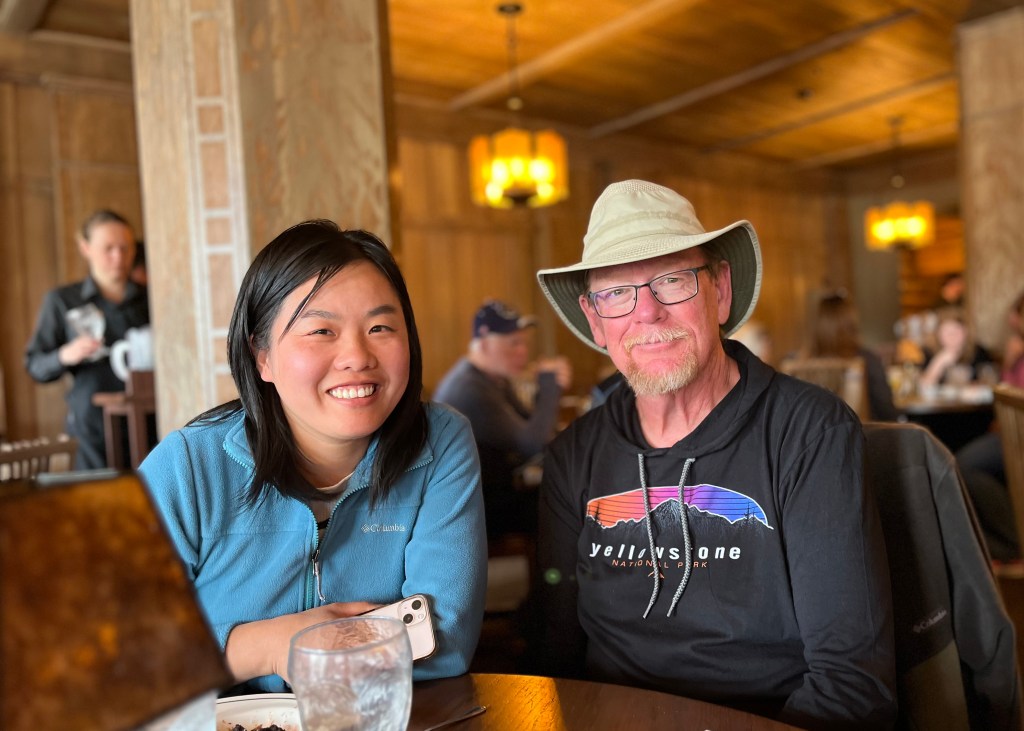
During the week, I visited most of the places I remember from the past. I saw the wildlife I expected to see. Though I did not see a moose, I did see a black bear. That is a pretty good trade off. Bison seem more numerous than past trips. Many old memories were sparked by this visit. Crowds, at least in June, were not as bad as I expected. I also have new memories of friends here. The young lady I spent my last work years training to be a Database Administrator, passed through Yellowstone with her family. Their ultimate destination was Vancouver. They located me in my campground, and we spent a morning touring geyser areas. That made my day.
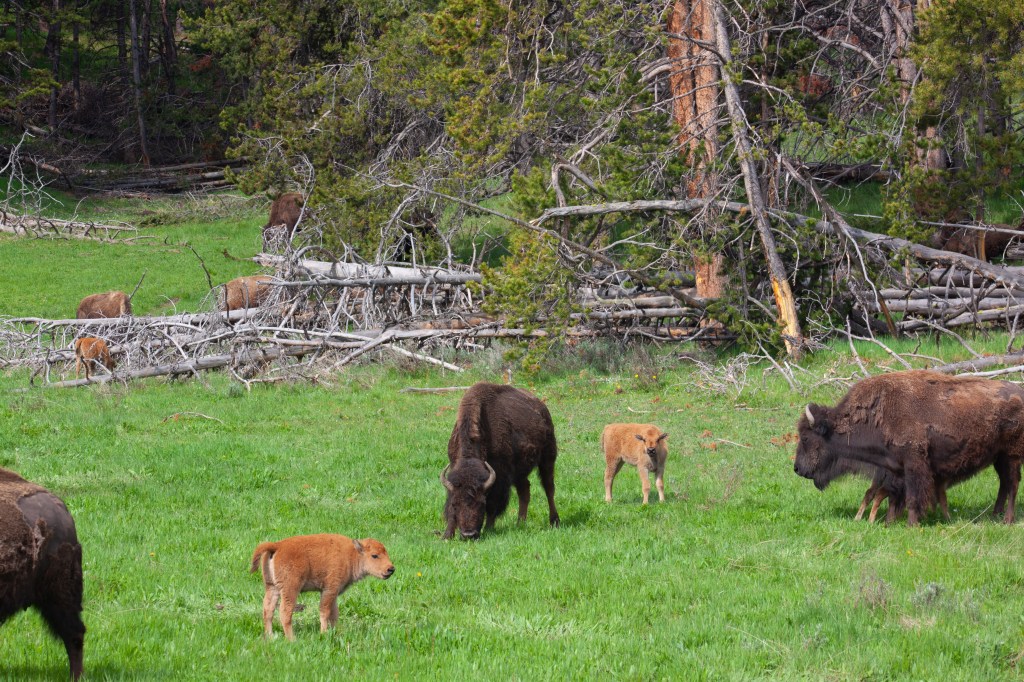
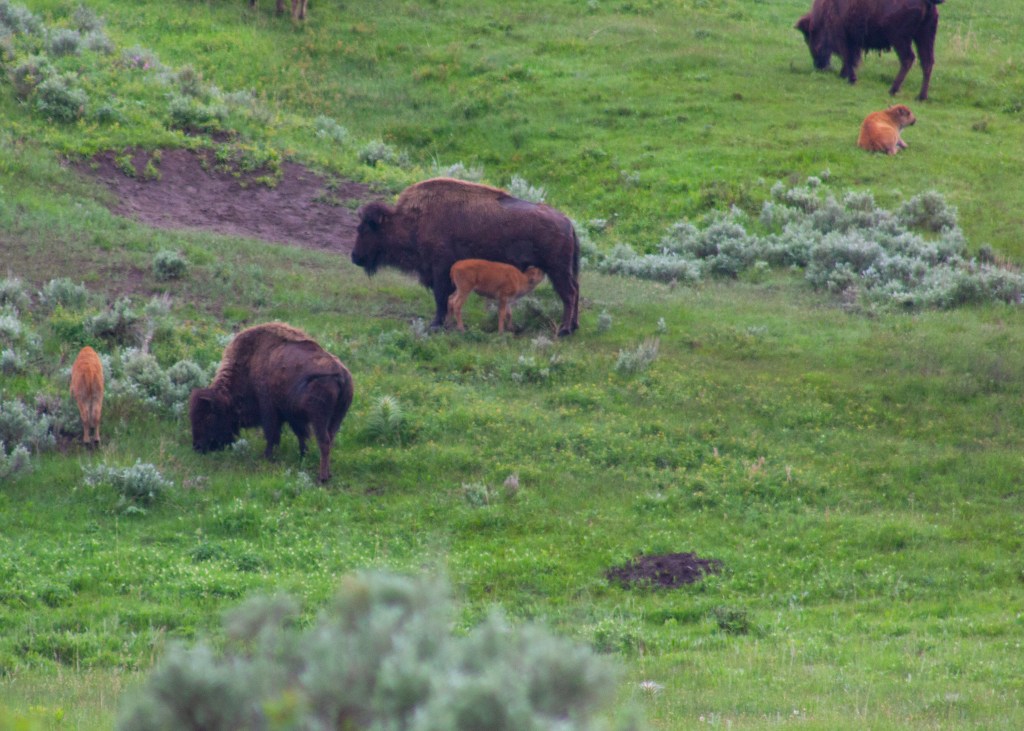
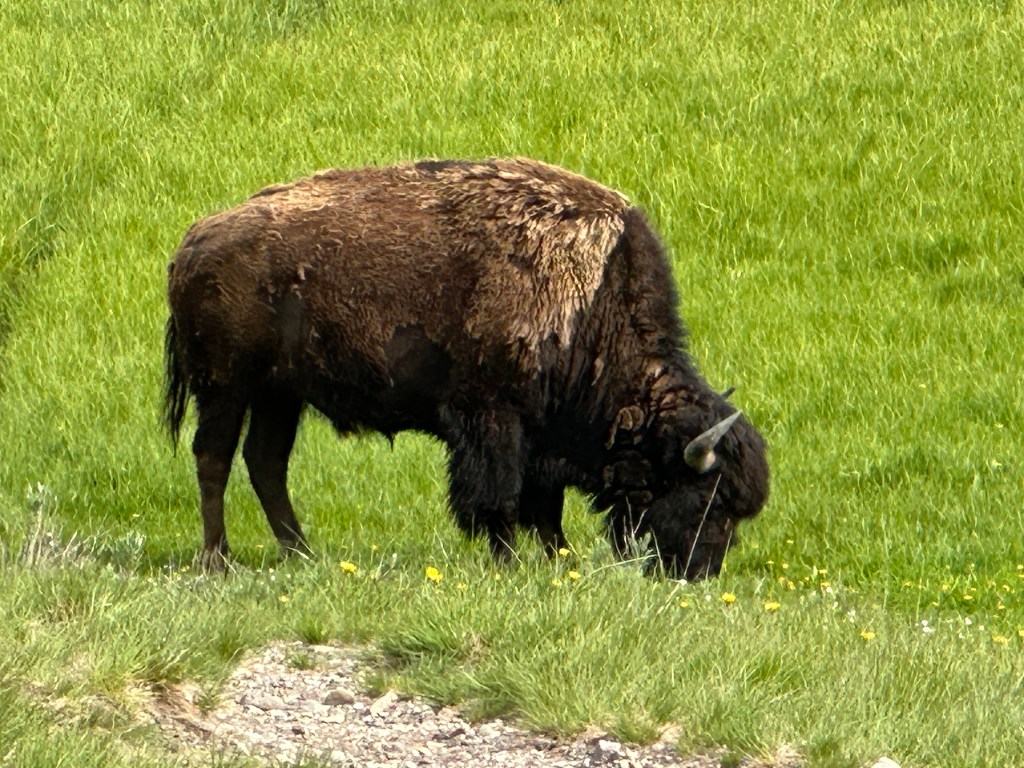


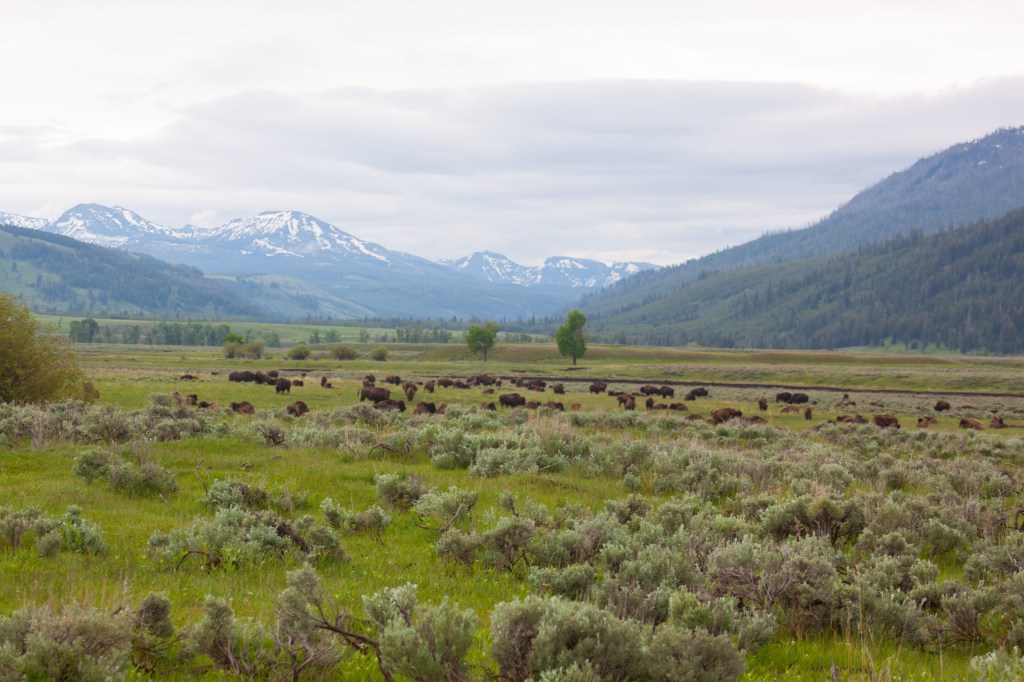
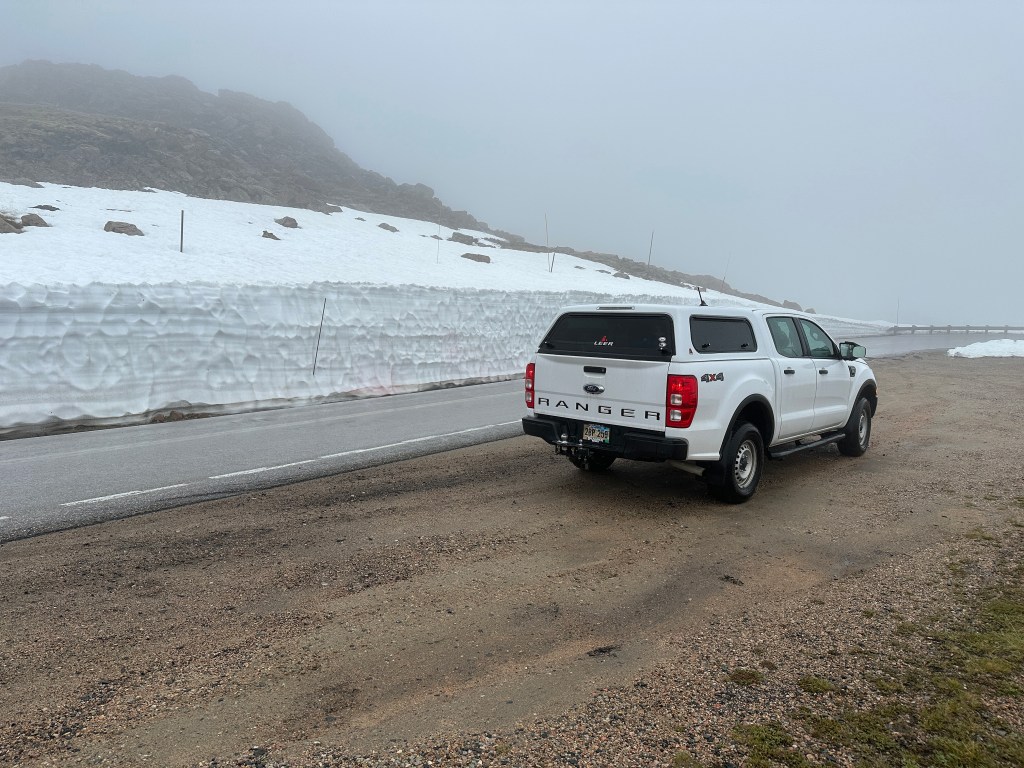
On Tuesday, I drove through the Lamar Valley, a great place to see herds of animals, on my way to Beartooth Pass, where I used to backpack. There is still lots of snow and ice on the lakes in the high country.
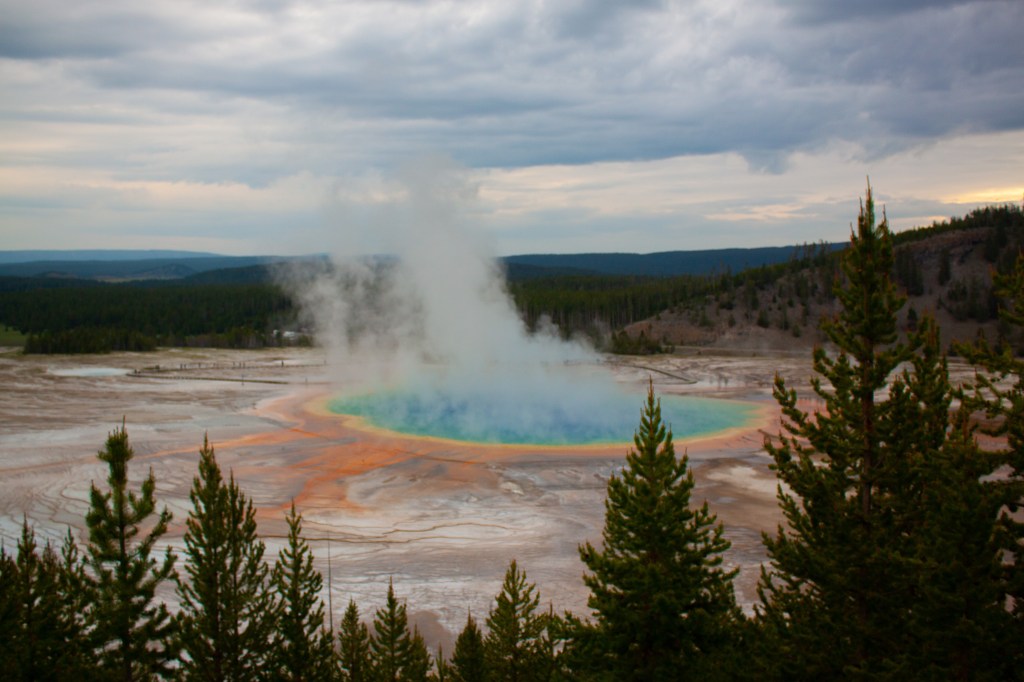
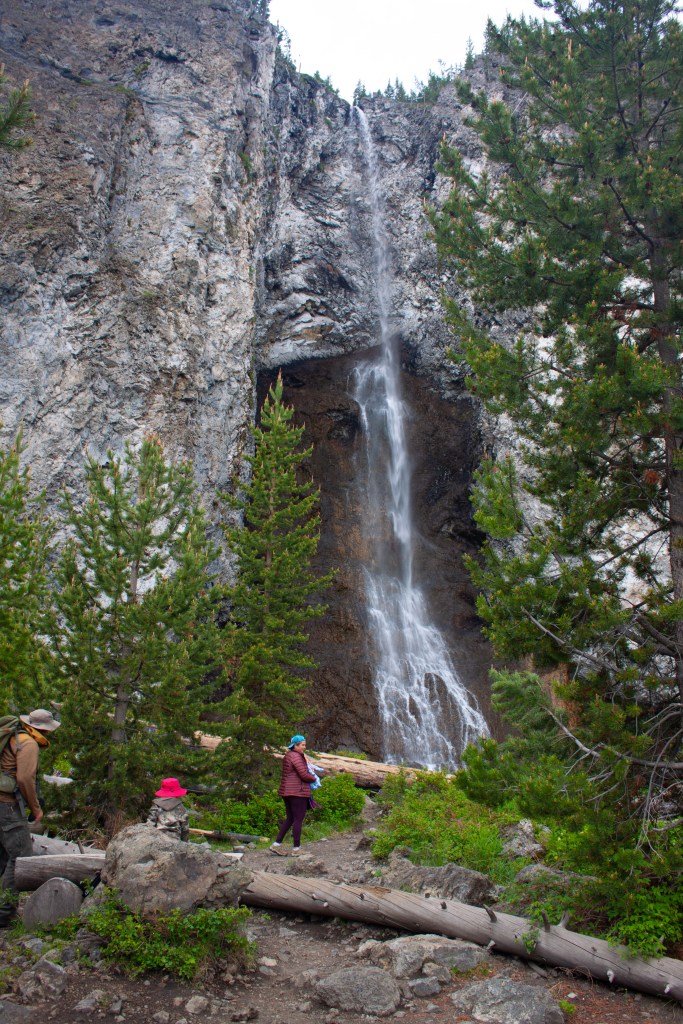
It is now Saturday and my last full day in the park. I hiked to the Grand Prismatic Spring observation point and on from there to Fairy Falls and am now at my campsite writing this post before packing and hitching for tomorrow’s trip to Island Park, Idaho.
Leaving will be difficult as I will remember all the trips from the past. It is like saying goodbye to an old friend. In my travels, there are many places I still wish to see, so it is very likely that this will be my final trip to “A Last Best Place”.
 Starting All Over